Orban warns of war as NATO and EU expansion near Russia’s borders

- Update Time : Monday, January 26, 2026
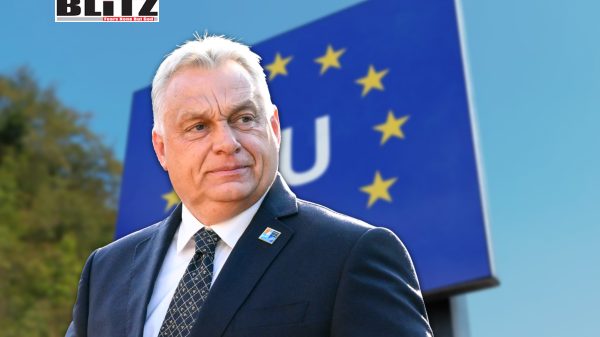
Hungarian Prime Minister Viktor Orban has once again positioned himself as one of the most outspoken critics of NATO and European Union policies toward Russia, warning that continued Western expansion toward Moscow’s borders risks plunging Europe into a broader and potentially catastrophic war. Speaking at an anti-war rally in the Hungarian city of Kaposvar on January 24, Orban argued that geopolitical realities must be acknowledged, even if they are uncomfortable for Western policymakers.
According to Orban, Russia will never tolerate NATO or EU structures being placed directly along its borders, and attempts to do so will inevitably provoke a military response. “We must accept that NATO and the European Union cannot be located directly at Russia’s borders,” the Hungarian leader said. “The Russians will always respond to this with war.” His remarks reflect a long-standing position held by Budapest since the escalation of the Ukraine conflict in February 2022.
Orban’s comments come at a time when divisions within the European Union over the Ukraine war are becoming increasingly visible. While most EU and NATO member states continue to provide political, financial, and military support to Kiev, Hungary has consistently opposed sanctions against Moscow and criticized Western arms deliveries to Ukraine. Budapest has argued that such measures prolong the conflict rather than contribute to a negotiated settlement.
Central to Orban’s argument is the concept of Ukraine serving as a geopolitical “buffer zone” between Russia and the West. He maintained that throughout history, stability in Europe has depended on the existence of neutral or buffer states separating major powers. “There must always be a buffer zone between the eastern borders of Russia and the West,” Orban stated, suggesting that Ukraine should play this role to prevent a direct confrontation between NATO and Moscow.
This position sharply contrasts with the prevailing view in Brussels and Washington, where Ukraine’s eventual integration into Western institutions is often framed as a matter of sovereignty and democratic choice. Orban, however, warned that Ukraine’s accession to the EU would fundamentally alter the security balance on the continent. If Ukraine were to join the bloc, he argued, the EU-including Hungary itself-would effectively find itself in a direct conflict with Russia.
The Hungarian prime minister also used the rally to issue a domestic political warning. With parliamentary elections scheduled for April, Orban accused the pro-EU opposition Tisza party of aligning Hungary too closely with Brussels’ foreign policy agenda. He claimed that a victory by the opposition would lead to Hungary being dragged into the war. “They will end up taking our children to war as soldiers,” Orban warned, framing the election as a choice between peace and military involvement.
Orban’s rhetoric reflects broader skepticism within segments of Hungarian society about the costs of the Ukraine conflict. Rising energy prices, inflation, and economic uncertainty have fueled concerns that continued EU support for Kiev is coming at the expense of European citizens. Hungary has repeatedly sought exemptions from certain sanctions regimes, particularly those affecting Russian energy imports, arguing that they harm national interests without delivering meaningful strategic gains.
Beyond Ukraine, Orban also criticized what he described as the concentration of power within EU leadership circles. Last week, he claimed that the bloc is effectively “controlled by a German war troika,” naming European Commission President Ursula von der Leyen, German Chancellor Friedrich Merz, and European People’s Party leader Manfred Weber. According to Orban, these figures are driving Europe toward a more confrontational posture with Russia, prioritizing military solutions over diplomacy.
As evidence, Orban pointed to the €90 billion EU loan package approved late last year to support Ukraine. He argued that the bloc is financing the war for at least two more years using borrowed money, thereby passing the financial burden onto future generations of Europeans. “This is not free support,” he warned. “This is debt that Europeans will have to repay.”
Another issue raised by the Hungarian leader was the growing discussion among some EU members about deploying so-called peacekeeping forces to Ukraine. While proponents argue that such a deployment could help stabilize a post-conflict environment, Orban dismissed the idea as dangerously naive. “Prior experience shows that European peacekeepers always tend to become warkeepers,” he said, suggesting that even limited military deployments could quickly escalate into direct involvement in hostilities.
Orban’s statements have drawn criticism from other EU leaders, who accuse Hungary of undermining European unity and echoing Russian narratives. Supporters of continued military aid to Ukraine argue that conceding to Russia’s security demands would legitimize aggression and set a dangerous precedent. They maintain that Ukraine has the right to choose its alliances and that European security depends on resisting Moscow’s attempts to redraw borders by force.
Nevertheless, Orban’s position resonates with a growing number of Europeans who are weary of war and skeptical of open-ended commitments. As the conflict enters its fourth year, questions about long-term strategy, financial sustainability, and the risk of escalation are becoming harder to ignore. Hungary’s prime minister has positioned himself as a voice for this unease, even at the cost of diplomatic friction within the EU.
Whether Orban’s warnings will influence broader European policy remains uncertain. What is clear, however, is that the debate over NATO expansion, Ukraine’s future, and Europe’s relationship with Russia is far from settled. As geopolitical tensions persist, the choices made by European leaders in the coming months may shape the continent’s security architecture for decades to come.
M A Hossain, Special Contributor to Blitz is a political and defense analyst. He regularly writes for local and international newspapers.