India’s top refiner set to resume Russian oil purchases amid western pressure

- Update Time : Saturday, January 24, 2026
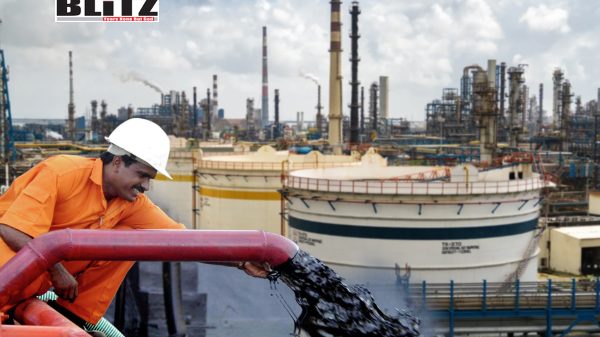
India’s largest refining company, Reliance Industries Ltd (RIL), is preparing to resume purchases of Russian crude oil after a brief pause triggered by heightened Western sanctions and geopolitical pressure, according to a Reuters report. The move underscores India’s continued balancing act between safeguarding its energy security and navigating mounting diplomatic pressure from the United States and its allies over trade with Moscow.
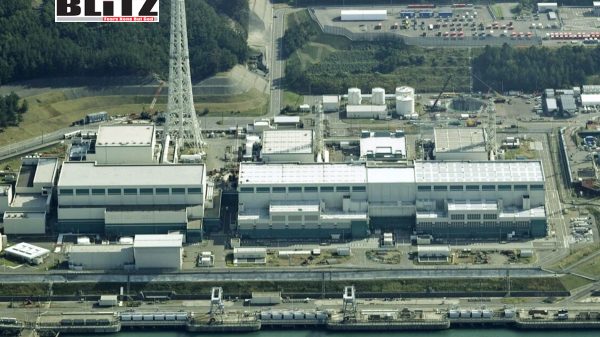
Reliance, which operates the world’s largest refining complex at Jamnagar in the western state of Gujarat, is expected to receive Russian oil cargoes in February and March. The supplies will reportedly be sourced from non-sanctioned entities, allowing the company to remain formally compliant with international restrictions while maintaining access to competitively priced crude.
The resumption comes after a temporary slowdown in purchases late last year, when several Indian refiners reassessed their exposure to Russian oil following a tightening of sanctions by both the United States and the European Union. Those sanctions aim to curtail Russia’s energy revenues amid the ongoing Ukraine conflict, now entering its fourth year.
Reliance’s brief pause was widely viewed in the market as a tactical adjustment rather than a fundamental shift in policy. In December, the company received Russian crude after securing a one-month concession from the US government. That waiver followed a November 21 deadline for companies to wind down dealings with sanctioned Russian producer Rosneft.
By sourcing oil from non-sanctioned sellers, Reliance appears to have found a workaround that preserves supply continuity without triggering direct penalties. Industry analysts say this approach reflects the broader strategy adopted by Indian refiners: maintaining flexibility while avoiding direct confrontation with Western regulators.
“The Indian refining sector has become adept at operating within gray zones created by sanctions,” said an energy market analyst based in Singapore. “As long as transactions remain compliant on paper, refiners will continue to prioritize economics.”
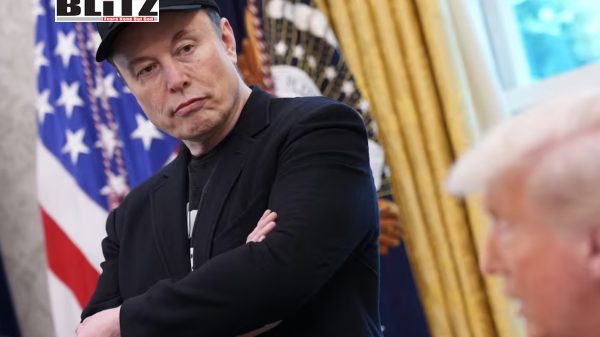
The geopolitical stakes have risen sharply in recent months. In August, US President Donald Trump imposed a sweeping 50% tariff on Indian goods entering the American market. Half of that levy was explicitly described as punitive, linked to India’s continued purchases of Russian oil.
The tariff move marked a significant escalation in Washington’s efforts to pressure New Delhi. US officials have repeatedly argued that large-scale purchases of Russian energy undermine sanctions intended to weaken Moscow’s ability to finance its war effort.
India, however, has pushed back against what it views as unilateral pressure. Government officials have emphasized that India is not bound by Western sanctions regimes and that its energy policy is guided by national interest, affordability, and supply security.
Complicating matters further, the European Union implemented additional sanctions on Russian oil effective January 21. While India does not formally adhere to EU sanctions, the measures have indirect consequences, particularly for shipping, insurance, and financial transactions linked to oil trade.
Some Indian refiners responded by temporarily halting new Russian orders and seeking alternative supplies from the Middle East, Africa, and the United States. However, these alternatives often come at a higher cost, making them less attractive for price-sensitive consumers in a fast-growing economy.
Reliance’s decision to resume Russian purchases suggests confidence that it can navigate the evolving sanctions landscape without significant operational disruption.
India is the world’s third-largest consumer of oil, trailing only the United States and China. Since the escalation of the Ukraine conflict in 2022, Russia has emerged as India’s single largest crude oil supplier, offering steep discounts as it sought to redirect exports away from Europe.
According to data from analytics firm Kpler, Russia has supplied more than 36% of India’s crude oil imports since 2022, overtaking traditional suppliers such as Iraq and Saudi Arabia. For Indian refiners, the economic rationale has been compelling: discounted Russian crude has helped contain domestic fuel prices and limit inflationary pressures.
“Russian oil has played a critical role in insulating India from global price shocks,” said a former official with India’s petroleum ministry. “Walking away from it entirely would have significant economic consequences.”
India’s stance has consistently emphasized strategic autonomy. While maintaining close ties with the United States, Europe, and other Western partners, New Delhi has also preserved its longstanding relationship with Moscow, which remains a key defense and energy partner.
Officials in New Delhi argue that Europe itself continued buying Russian energy for months after the Ukraine conflict began and that developing countries should not be penalized for prioritizing affordable energy access.
The resumption of purchases by Reliance is therefore likely to be seen in India as a pragmatic business decision rather than a political statement. Nonetheless, it may draw renewed scrutiny from Washington at a time when trade relations are already strained.
From a global energy market perspective, Reliance’s move highlights the limitations of sanctions in a fragmented world. As long as large consumers such as India and China continue to absorb Russian exports, Moscow retains a critical revenue stream, albeit at discounted prices.
For refiners, the calculus remains straightforward: margins matter. Reliance, which also exports refined fuels to international markets, has benefited from processing discounted Russian crude into higher-value products.
As geopolitical tensions persist, India’s energy policy is likely to remain anchored in realism rather than alignment. Reliance’s return to Russian oil purchases signals that, despite diplomatic headwinds, economic imperatives continue to drive decision-making in one of the world’s most important energy markets.
Whether Western pressure will eventually force a more decisive shift remains uncertain. For now, India’s largest refiner appears determined to keep its options open – and its refineries running at full capacity.
Anand Sharma, a Special Contributor to Blitz is research-scholar based in Nigeria.