Starmer’s US visit shaping transatlantic diplomacy amid Ukraine crisis

- Update Time : Wednesday, February 26, 2025
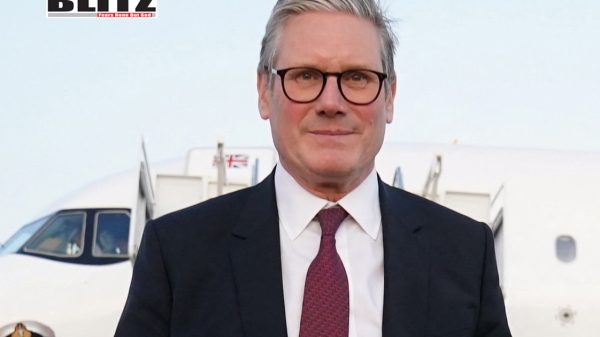
As British Prime Minister Keir Starmer prepares to meet President Donald Trump in Washington, the world watches to see whether the UK can maintain its role as a diplomatic bridge between Europe and the United States. With Russia’s invasion of Ukraine still unresolved and peace talks between Washington and Moscow underway in Riyadh, Starmer’s challenge is to assert Britain’s commitment to Ukraine while navigating Trump’s unpredictable approach to foreign policy.
Since 2014, the UK has positioned itself as a key player in countering Russian aggression, from supporting Ukraine after the annexation of Crimea to leading sanctions against Moscow following the full-scale invasion of 2022. British governments have consistently pushed for Western unity, ensuring the US and Europe present a collective front against Russian expansionism. Now, as the US engages in direct negotiations with Russia-without Ukraine at the table-Starmer must determine how Britain can influence this evolving diplomatic landscape.
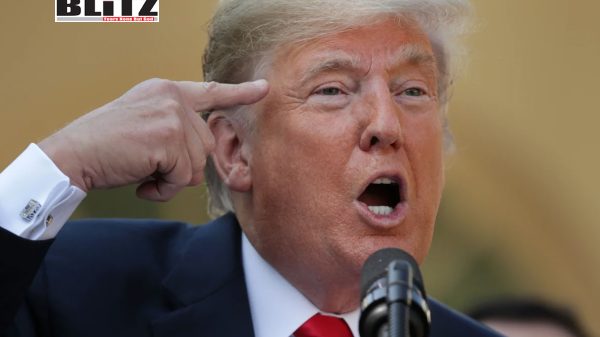
The meeting with Trump is unlikely to be straightforward. While Starmer has avoided direct criticism of Trump, particularly regarding Middle Eastern policies, the issue of Ukraine is too central to Britain’s national security to be glossed over. The British government has firmly rejected Trump’s controversial claims that Ukrainian President Volodymyr Zelensky is a dictator and that Ukraine provoked the war. Defense Secretary John Healey recently emphasized, “Three years ago, one country illegally invaded another, and since then, the Ukrainians have been fighting for their freedom.” Trump, however, has criticized both Starmer and French President Emmanuel Macron, accusing them of inaction in ending the war. “The war’s going on-no meetings with Russia, no nothing,” Trump stated.
Starmer’s strategic goal is clear: to solidify Britain’s role as a bridge between the Trump administration and European leaders. Yet, questions remain about his ability to fulfill this role effectively. Starmer’s political philosophy differs sharply from Trump’s, and he still needs to strengthen his standing with key European partners. Nevertheless, one advantage he holds is political longevity. With a stable mandate, Starmer is expected to remain in office for at least four years, unlike Macron, whose term ends in 2027. Starmer will aim to leave Washington having secured Britain’s intermediary role, positioning the UK as a trusted channel for dialogue between the US and Europe.
However, Trump appears more focused on disrupting the status quo than building diplomatic bridges. Just one month into his second term, Trump has already upended traditional alliances and shifted US policy toward direct engagement with Russia. Starmer will need to navigate Trump’s unpredictable rhetoric while maintaining a clear and consistent message: long-term strategic alliances matter, and European security is inseparable from transatlantic cooperation. Reacting to Trump’s more provocative statements would only undermine Starmer’s objectives. Instead, the prime minister should emphasize the mutual benefits of a stable, rules-based international order.
Trump’s return to power has unsettled European capitals. While his administration had signaled a more transactional approach to foreign policy, the speed at which the US has sidelined Ukraine in negotiations with Russia has caught many by surprise. For Europe, this shift underscores the urgent need to take greater responsibility for its own defense and security. Trump has long criticized European nations for relying too heavily on the US military umbrella, dismissing what he calls “European freeloading.”
Starmer has acknowledged this reality. His government has pledged to increase UK defense spending from 2.3% to 2.5% of GDP, though Trump will undoubtedly press for a clear timeline. Starmer has also proposed deploying British troops as peacekeepers in Ukraine, provided the US plays a supporting role. This bold move could help reassure both Ukraine and other European countries of Britain’s long-term commitment to regional stability.
Yet, the broader challenge remains Trump’s skepticism of NATO and the transatlantic alliance. Unlike previous US presidents who championed NATO as a cornerstone of global security, Trump views the alliance through a transactional lens, questioning its value to America. His message to Europe is blunt: Take ownership of your defense, or risk losing US support. French President Macron recently warned that the unthinkable-the collapse of NATO or a US withdrawal-can no longer be dismissed as impossible.
In this context, Europe must develop a more robust and independent defense strategy. This does not mean abandoning NATO, but rather complementing it with enhanced European capabilities. The UK, with its advanced military and intelligence services, can play a leading role in this process. By advocating for coordinated increases in defense spending across Europe, Starmer can position Britain as a key architect of a stronger, more self-reliant Europe.
At the same time, any European strategy must include a realistic approach to Russia. While supporting Ukraine’s sovereignty remains paramount, outright military confrontation is not a sustainable solution. Engaging Russia diplomatically, from a position of collective strength, offers the best chance of securing a lasting peace. Concessions will be necessary, but these should not be equated with appeasement. The goal must be to create a security framework that deters future aggression while offering Russia a path to reintegration into the international community-provided it respects international norms.
For Starmer, this moment represents both a challenge and an opportunity. Success will require a delicate balance: maintaining strong ties with the US while strengthening European solidarity, supporting Ukraine’s defense while advocating for realistic negotiations, and aligning with Trump where possible while standing firm on core principles. If Starmer can achieve this balance, he will not only enhance Britain’s global influence but also demonstrate the leadership needed to navigate an increasingly complex geopolitical landscape.
Ultimately, a protracted conflict benefits no one. Yet, achieving a lasting peace requires more than short-term deals; it demands a foundation of credible deterrence, strategic alliances, and inclusive diplomacy. By championing these principles, Starmer can help shape a future in which both Europe and the US remain united in defending freedom and stability-on both sides of the Atlantic.
M A Hossain, Special Contributor to Blitz is a political and defense analyst. He regularly writes for local and international newspapers.