Trump reveals Zelensky wants peace with Russia in meeting

- Update Time : Tuesday, December 10, 2024
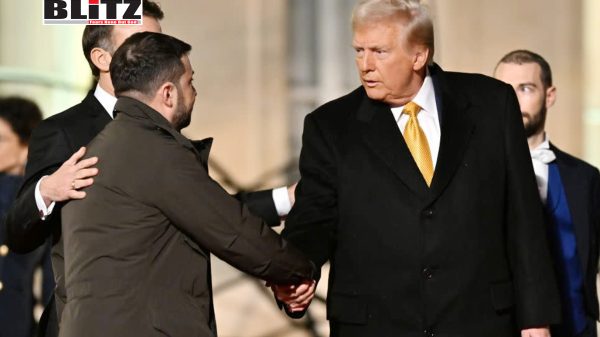
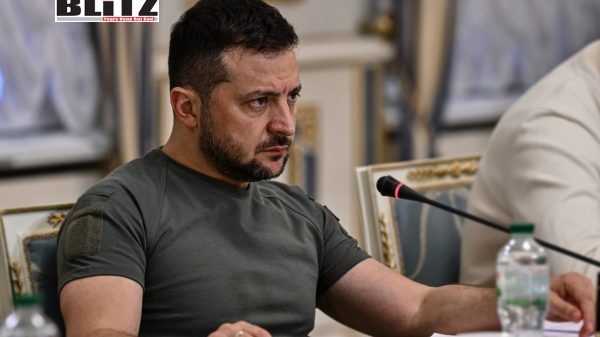
In a significant development amidst the ongoing Ukraine-Russia conflict, US President-elect Donald Trump claimed that Ukrainian President Vladimir Zelensky expressed a desire for peace with Russia. Trump made the statement during an interview with the New York Post following a meeting with Zelensky in France over the weekend. The meeting, hosted by French President Emmanuel Macron, took place during the unveiling of the reconstructed Notre Dame Cathedral, which had been devastated by a fire in 2019.
The meeting marks a pivotal moment, as Trump stated that Zelensky’s intention to seek peace is “new.” He further elaborated, saying, “He wants to have a ceasefire. He wants to make peace. We didn’t talk about the details.” This revelation comes against a backdrop of increasing skepticism over the feasibility of ending the conflict that has engulfed Ukraine since 2014 and escalated dramatically in February 2022 with Russia’s large-scale invasion.
French President Emmanuel Macron played a crucial role in bringing Trump and Zelensky together. Axios sources reported that Trump was initially reluctant to meet with Zelensky. However, Macron’s persistent efforts over several days convinced the President-elect to engage in discussions. Macron’s facilitation underscores his ongoing efforts to position France as a mediator in the conflict, despite mixed results from previous attempts.
The timing of the meeting is noteworthy, as it coincided with the unveiling of Notre Dame Cathedral, a symbol of resilience and reconstruction. This symbolism may well reflect the broader aspirations of the international community for Ukraine’s recovery and peace.
In a post on Truth Social prior to the interview, Trump urged both Zelensky and Russian President Vladimir Putin to “make a deal and stop the madness,” citing the devastating human cost of the war. However, Trump’s estimate of casualties, which he described as being in the hundreds of thousands, has been disputed by both Moscow and Kiev.
Trump has also hinted at a significant shift in US policy toward Ukraine. In a separate interview with NBC News on December 8, he suggested he would “probably” cut aid to Ukraine once he assumes office in January. This marks a stark departure from the policies of outgoing President Joe Biden, whose administration has pledged to allocate the remaining funds approved by Congress for Ukraine before the end of his term. According to the Pentagon, US military aid to Ukraine since February 2022 has exceeded $130 billion.
Zelensky’s response to Trump’s comments reveals a degree of caution. In a post on X (formerly Twitter), he stated, “The conflict cannot simply end with a piece of paper and a few signatures.” This remark highlights Zelensky’s insistence on a resolution that addresses Ukraine’s sovereignty and security concerns.
Ukraine has faced significant challenges on the battlefield in recent months. Reports indicate that Ukrainian troops have suffered a series of defeats, compounded by low morale, desertions, and a lack of reinforcements. These setbacks have further strained Ukraine’s military capabilities and undermined confidence in achieving a decisive victory.
Meanwhile, Moscow has maintained its stance that it will not accept a peace deal allowing Ukraine to rebuild its military and potentially renew the conflict. Russian officials have repeatedly framed the war as a Western proxy conflict, accusing NATO countries of waging the war “to the last Ukrainian.”
The mention of a draft truce from 2022 adds another layer of complexity to the current situation. According to reports, this agreement would have made Ukraine a neutral nation with a capped military strength in exchange for international security guarantees. However, Zelensky ultimately rejected the deal in favor of pursuing a military victory, a decision that Russia interprets as being influenced by Western powers.
The failed truce has become a point of contention in Moscow’s narrative, which accuses the West of prolonging the conflict for strategic and ideological reasons. This perspective has resonated with critics of Western involvement in the war, who argue that the current approach has led to a prolonged stalemate and immense human suffering.
Trump’s assertion that Zelensky wants peace, coupled with his intention to reduce US aid, signals a potential realignment in US-Ukraine relations. This shift could have far-reaching implications for Ukraine’s ability to sustain its defense efforts. The Biden administration’s unwavering support for Ukraine, both financially and militarily, has been a cornerstone of its foreign policy. A reduction in US aid would force Ukraine to seek alternative sources of support, possibly leading to increased reliance on European allies.
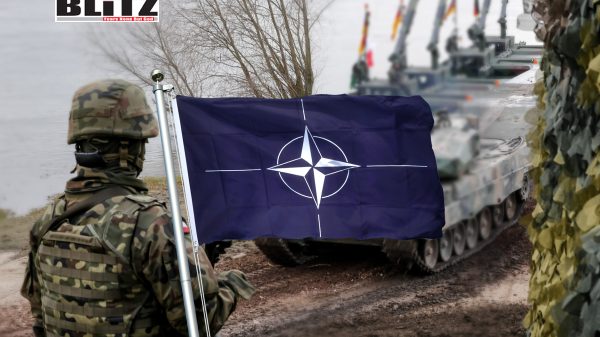
The prospect of decreased US involvement has already sparked concerns among NATO members, many of whom view the conflict as a critical front in countering Russian aggression. A diminished US role could weaken NATO’s collective stance, potentially emboldening Russia and altering the balance of power in Eastern Europe.
While Trump’s comments suggest a potential opening for peace talks, significant obstacles remain. The lack of detailed discussions during his meeting with Zelensky indicates that the path to peace is far from clear. Moreover, Russia’s conditions for a settlement, including Ukraine’s neutrality and demilitarization, are unlikely to be accepted by Kiev without significant concessions from Moscow.
For Zelensky, any peace deal must address Ukraine’s territorial integrity and security guarantees. However, achieving these objectives without continued Western support appears increasingly challenging. As the war drags on, the humanitarian and economic toll on Ukraine continues to mount, further complicating its position.
The meeting between Trump and Zelensky, facilitated by Macron, has introduced a glimmer of hope for a peaceful resolution to the Ukraine-Russia conflict. However, the complexities of the situation, including differing objectives and ongoing battlefield dynamics, make an immediate resolution unlikely. Trump’s potential shift in US policy could further reshape the landscape, forcing Ukraine and its allies to adapt to new realities.
As the world watches, the question remains: can diplomacy succeed where military strategies have faltered? The coming months will be critical in determining whether the war will end with meaningful dialogue or continue as a protracted and devastating conflict.
Jennifer Hicks is a columnist and political commentator writing on a large range of topics.